
Wednesday, 25 March 2026
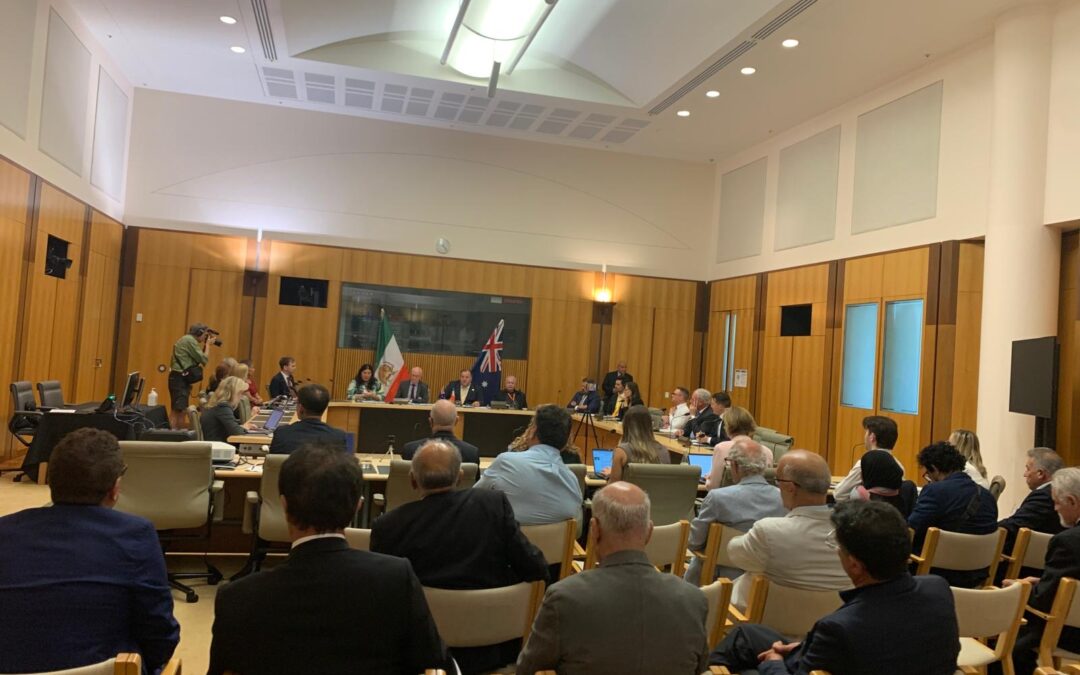
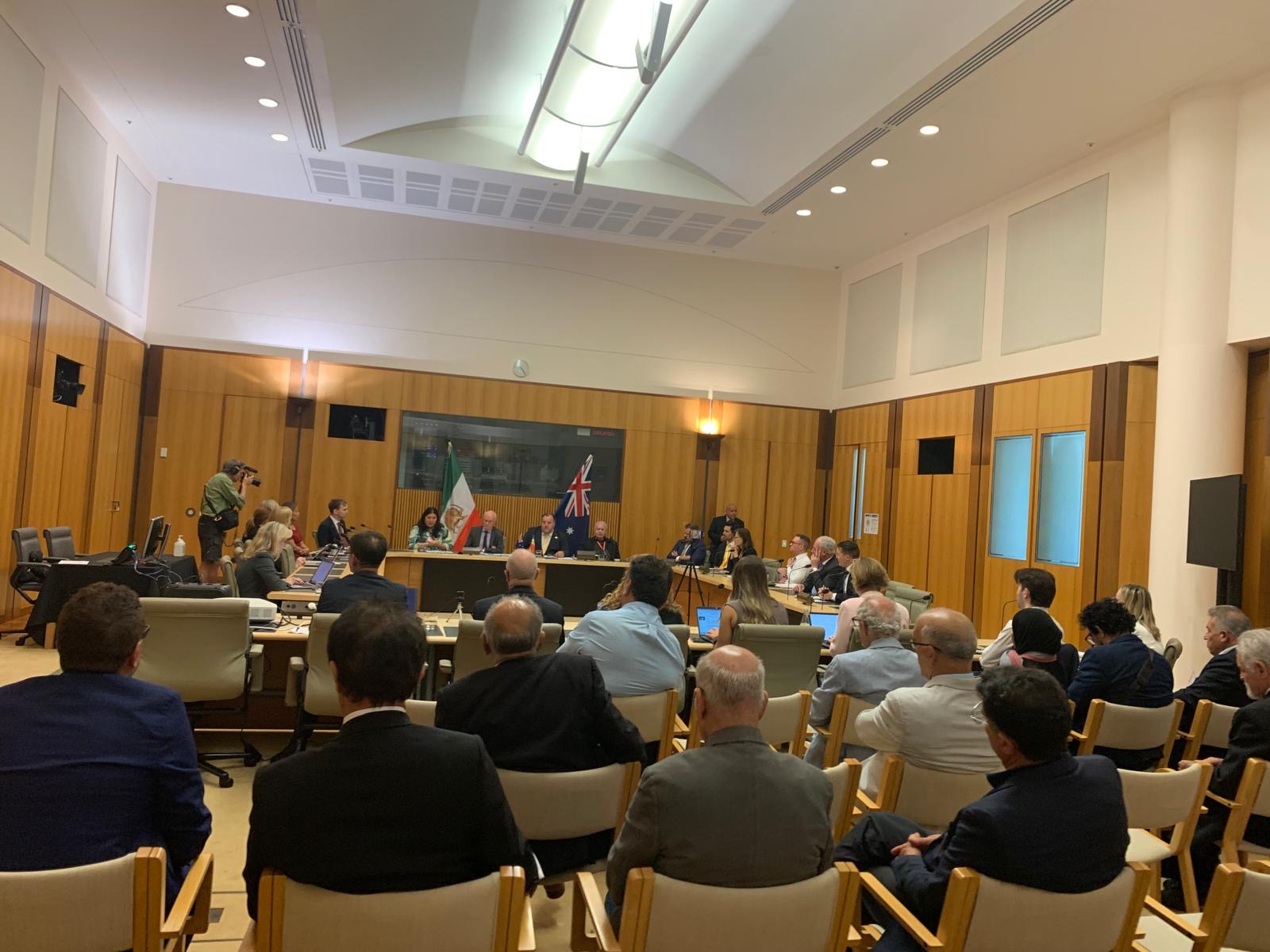
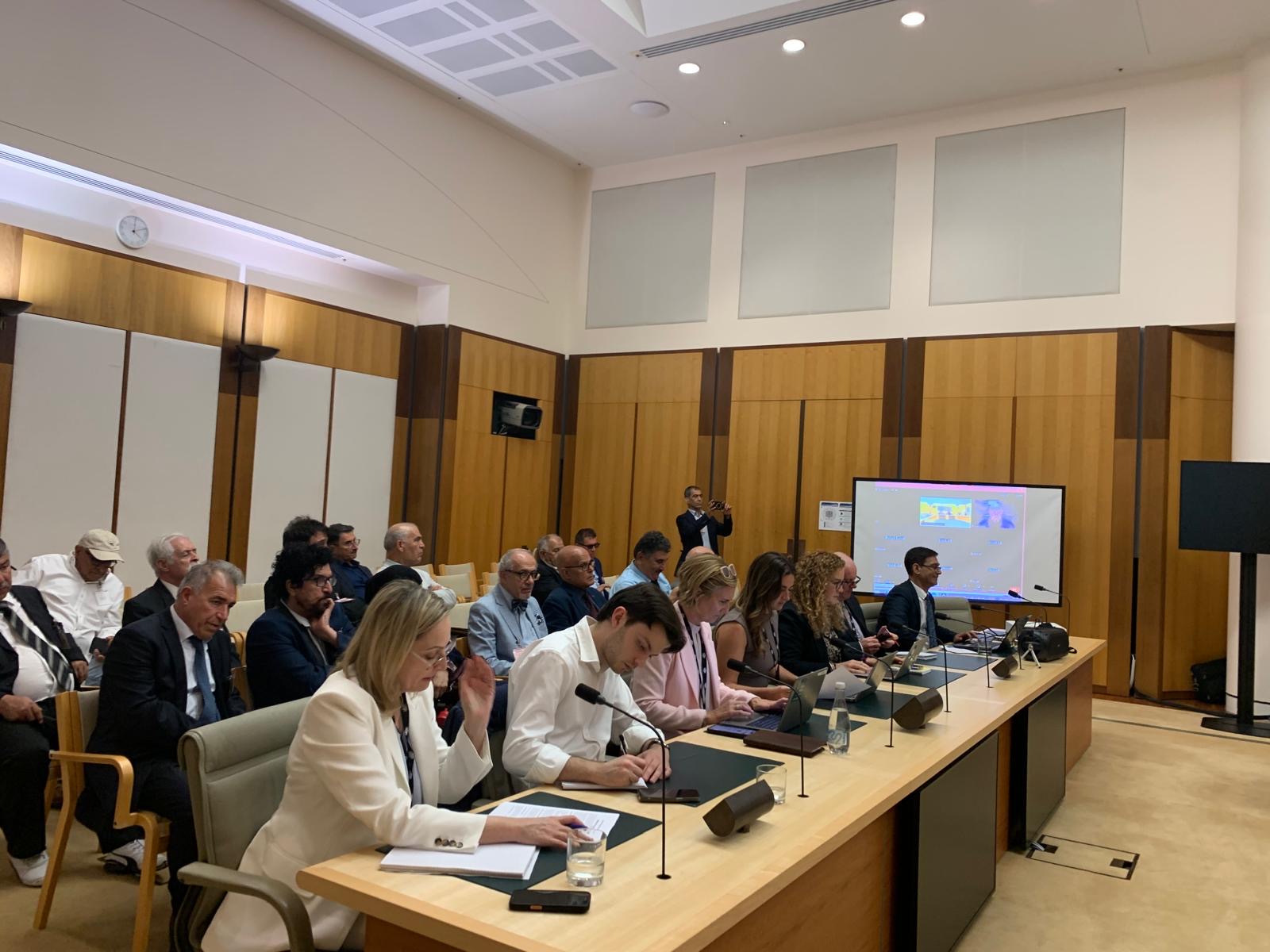
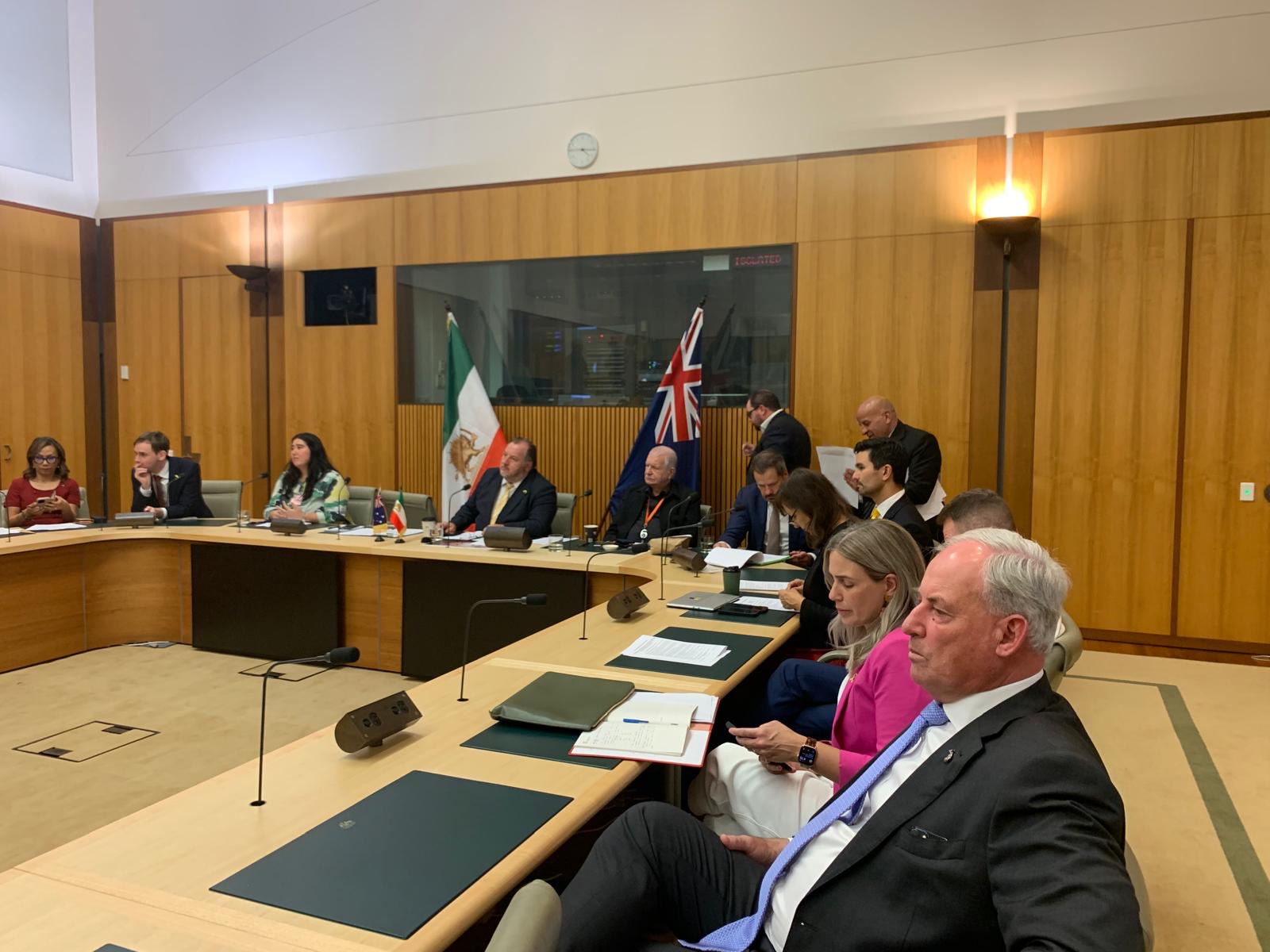
A briefing was held at the Australian Parliament on Wednesday, March 25, 2026, bringing together members of both the House of Representatives and the Senate to discuss the current situation in Iran.
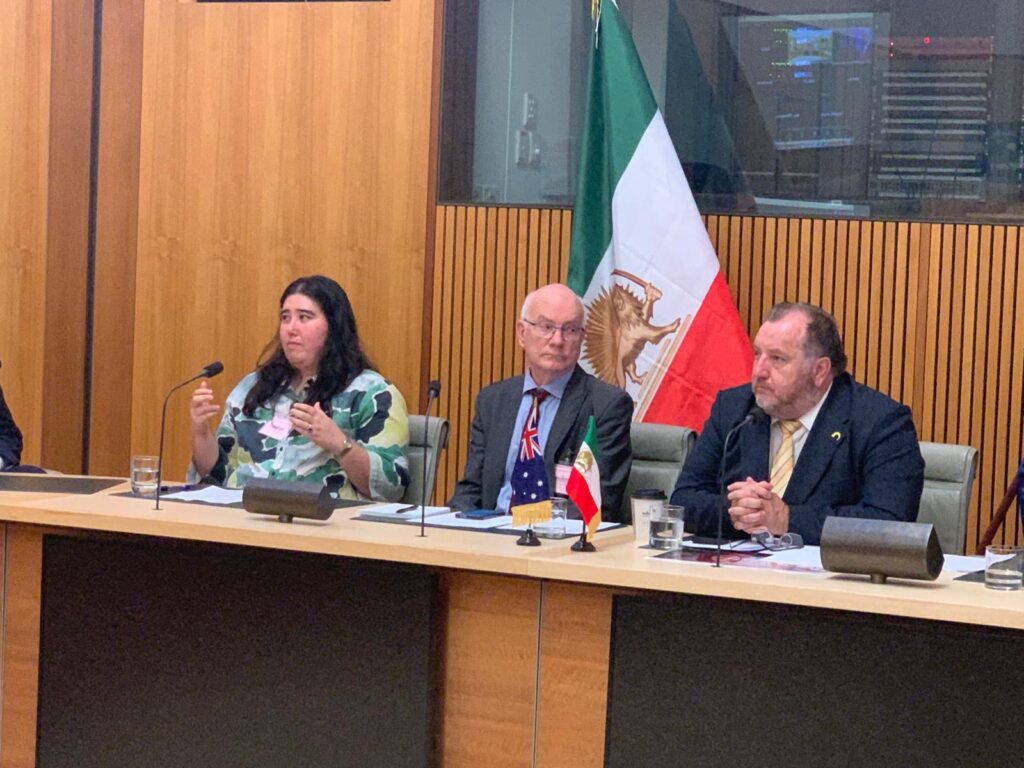
The session was hosted by Member of Parliament Mr. Rob Mitchell and chaired by Mr. Peter Murphy of the “Australian Supporters of Democracy in Iran.” Opening remarks thanked lawmakers and their staff for attending and highlighted the urgency of addressing the escalating crisis in Iran.
Mr. Rob Mitchell, the first speaker, began by paying tribute to Kobri (Sara) Mokhtar, describing her untimely death as one of both sorrow and renewed determination. He reaffirmed his strong support for a free and democratic Iran, emphasising that the Iranian people deserve justice, human rights, and democratic governance. Mitchell also reiterated his endorsement of Maryam Rajavi’s ten-point plan, stressing principles such as free and fair elections, freedom of religion, and individual liberty. He underscored a clear message: rejection of both monarchy and clerical rule, while noting the bipartisan nature of the event as a sign of unity within the Australian Parliament.
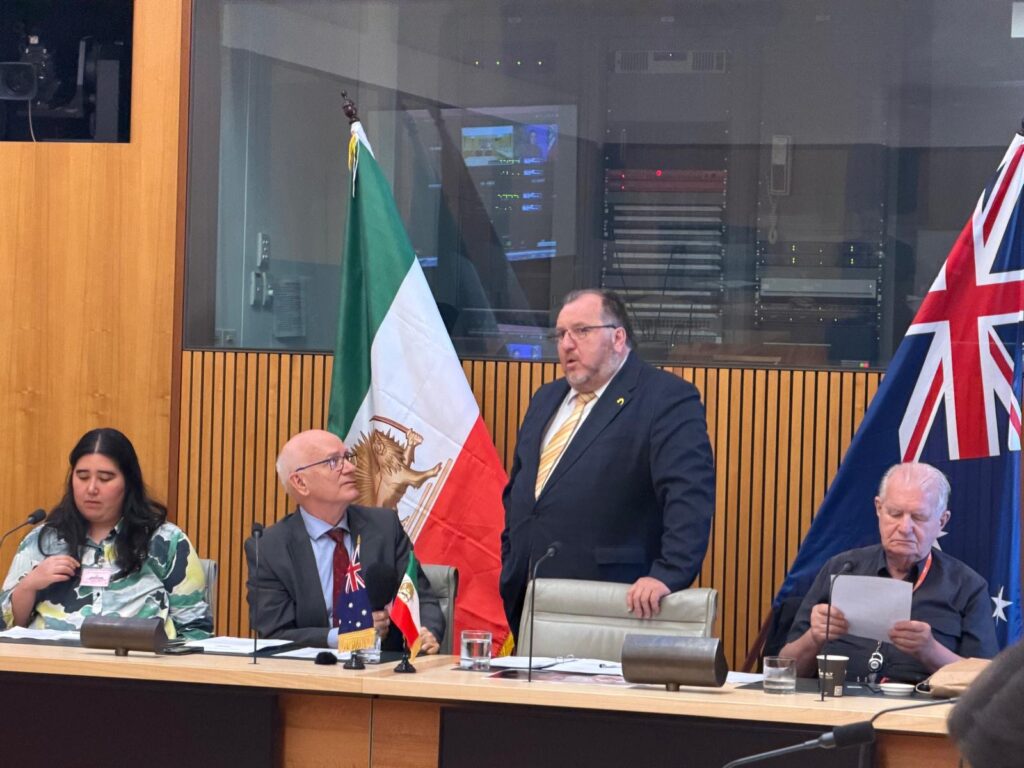
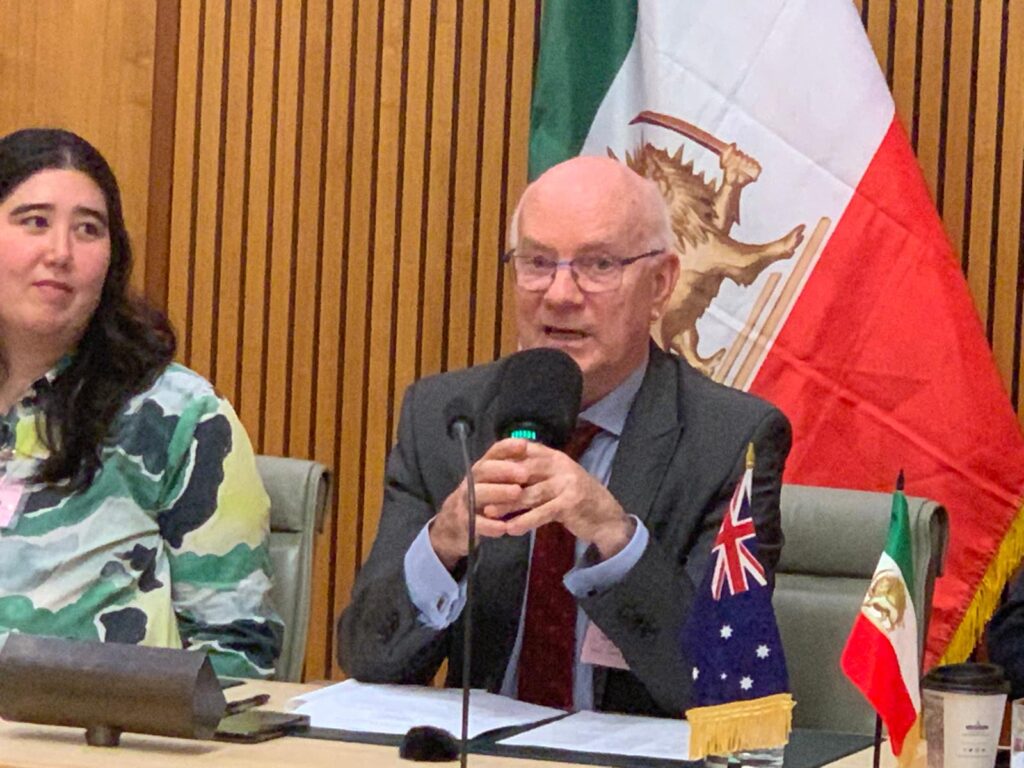
Ms. Shireen Faghani Mr Peter Murphy Mr Rob Mitchelle MP Rev. Bill Crews
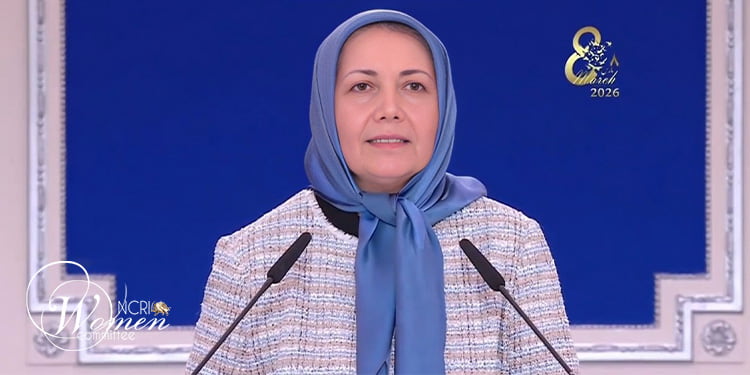
A key moment of the briefing was the reading of a message from Maryam Rajavi, delivered by Sarvenaz Chitsaz of the Women’s Committee of the National Council of Resistance of Iran (NCRI). In her message, Rajavi described the ongoing conflict in Iran and the region as a major crisis and called on the international community to recognise what she termed the “only solution”: the overthrow of the Iranian regime through organised resistance and popular uprising. She criticised decades of Western appeasement, arguing that it has enabled repression, terrorism, and nuclear ambitions, and stressed that lasting change must come from within Iran. Mrs. Rajavi also outlined the NCRI’s vision for a democratic republic based on separation of religion and state, gender equality, abolition of the death penalty, and a non-nuclear Iran living in peace with the world. Read the full message: Maryam Rajavi Message to Australian Parliament Conference – Maryam Rajavi
Dr. Ali Safavi, a member of the NCRI and President of Near East Policy Research in Washington, D.C., addressed the audience, warning that the current situation represents a critical turning point not only for Iran but for the broader Middle East. He described an escalating conflict that has extended beyond Iran’s borders and attributed the crisis to decades of Western inaction. Referring to the January 2026 protests, he highlighted the scale of public unrest and the severe crackdown that followed. Dr. Safavi argued that meaningful change cannot be achieved through foreign military intervention or continued negotiations but must come from within Iranian society. He emphasised the role of organised opposition networks in mobilising the population and called on the international community to engage directly with them, alongside implementing stronger sanctions and diplomatic isolation. Ali Safavi | National Council of Resistance of Iran – US Representative Office
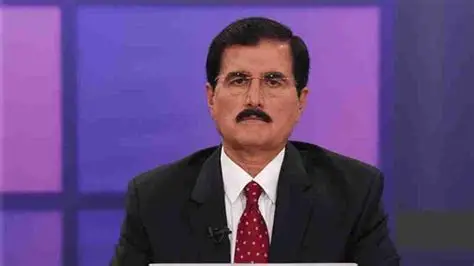
Ms. Shirin Faghani, speaking on behalf of the Iranians- Australians supporters of the NCRI, described a sense of both hope and concern. While many had hoped recent protests would bring change, she noted that the government’s violent response was not unexpected. She called on Australia to condemn human rights violations, support a democratic transition through free elections, and oppose foreign interventions that harm civilians, emphasising that the Iranian people remain the primary victims of the crisis. Home – Iran Liberty
Among other speakers, at the Briefing on Iran Crisis at Australian Parliament Mr. Gabriel Ng MP expressed strong support for the Iranian people, condemning the government’s record of repression over the past 47 years. He highlighted Australia’s actions, including the expulsion of Iran’s ambassador and the imposition of more than 200 sanctions targeting individuals and entities linked to the Revolutionary Guard.
Senator Lisa Darmanin also addressed the briefing, paying tribute to Iranian women and activists for their resilience and leadership. She raised the question of how local communities in Australia could further support the Iranian cause beyond parliamentary initiatives.
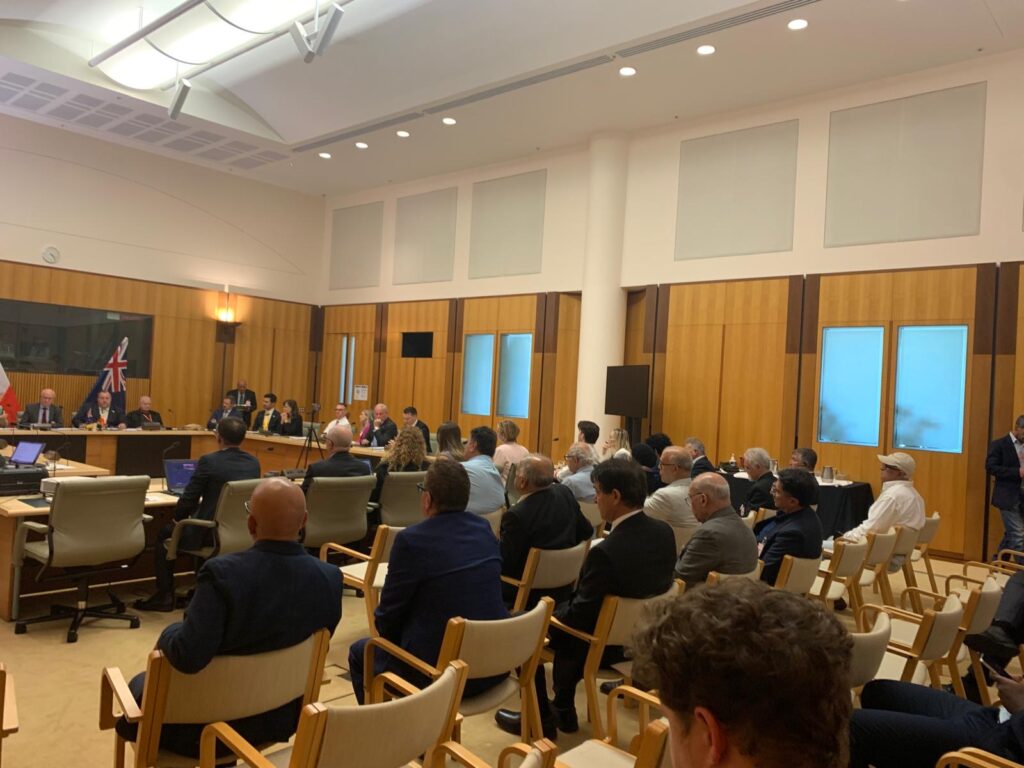
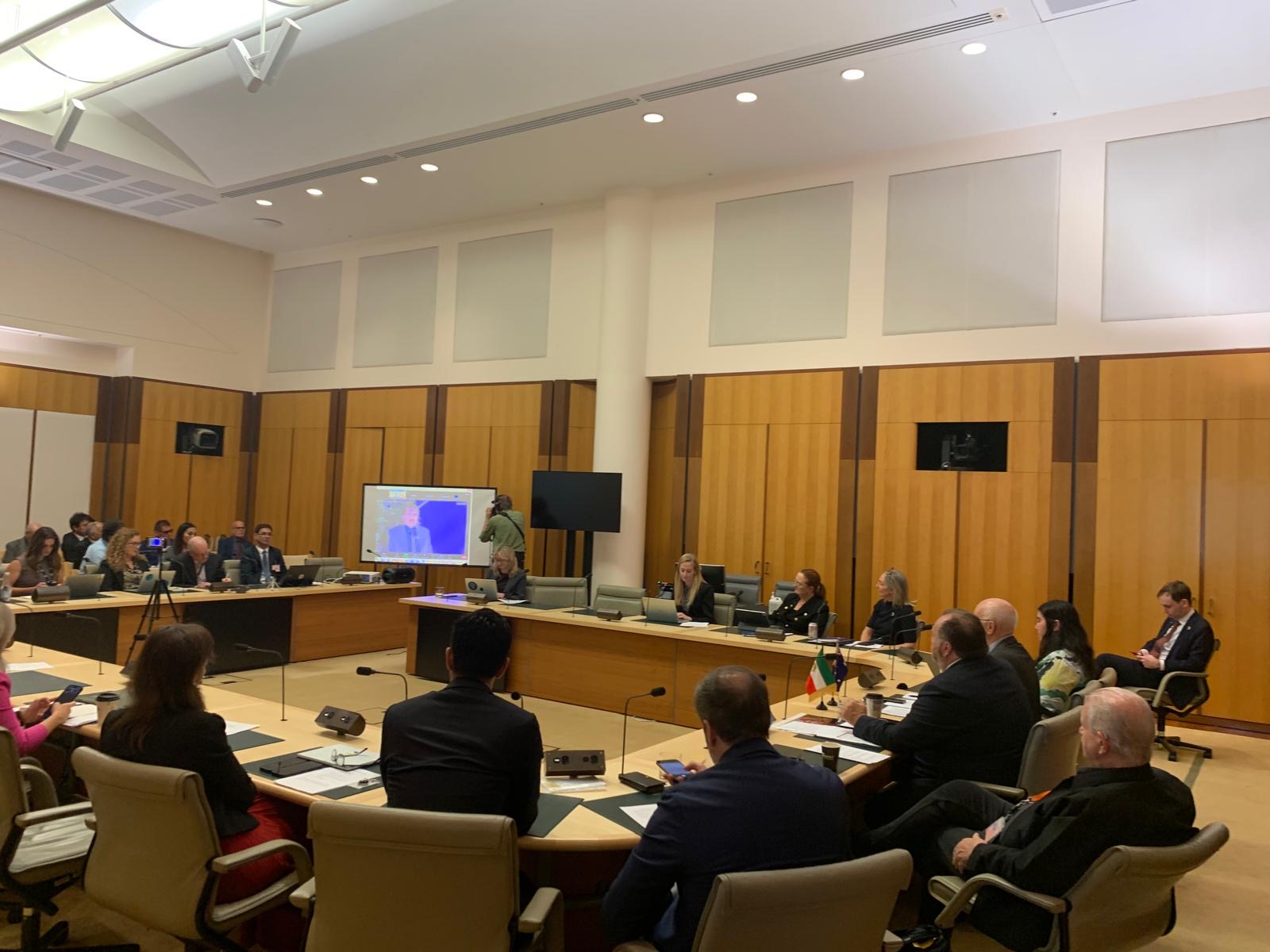
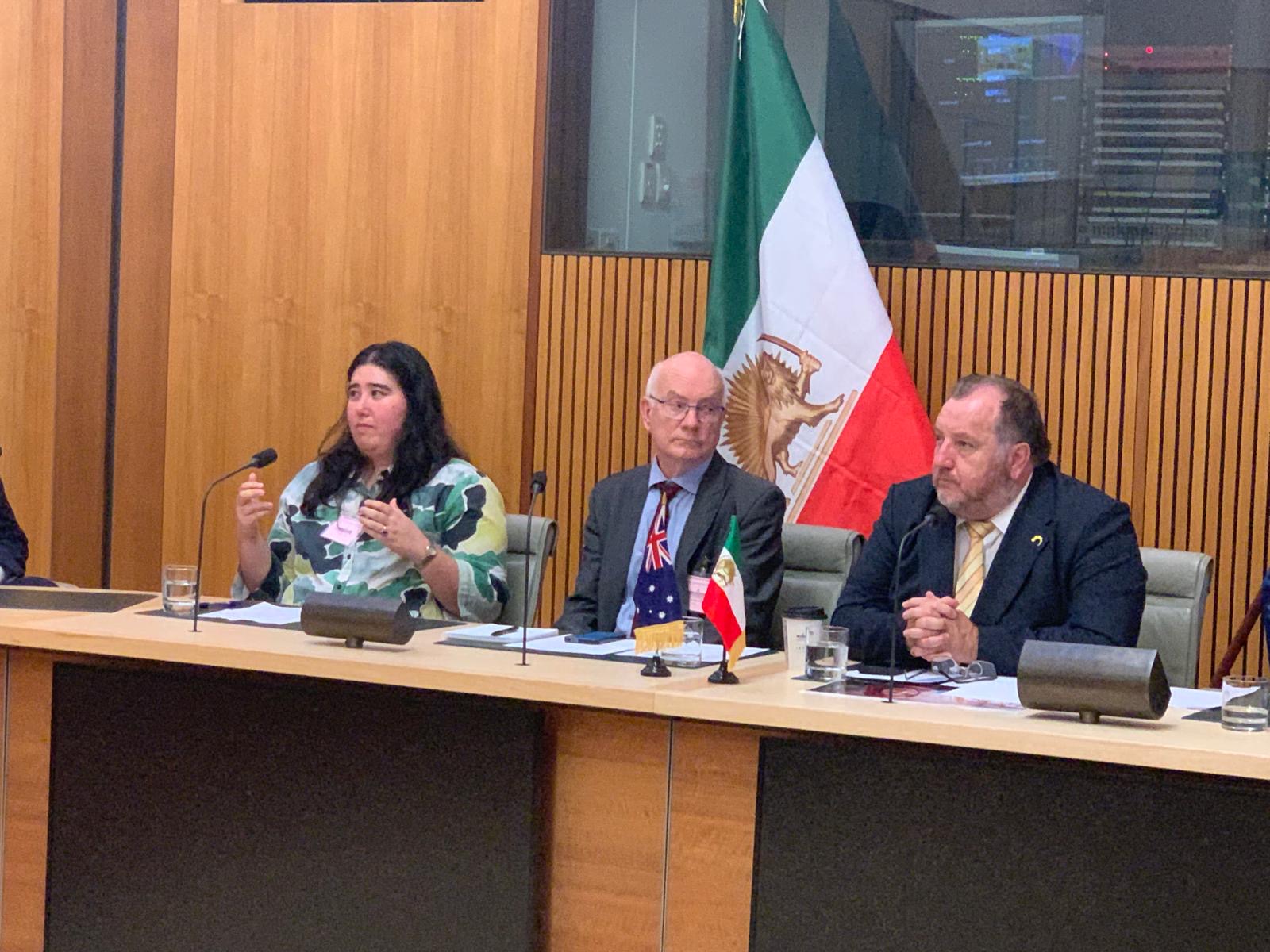
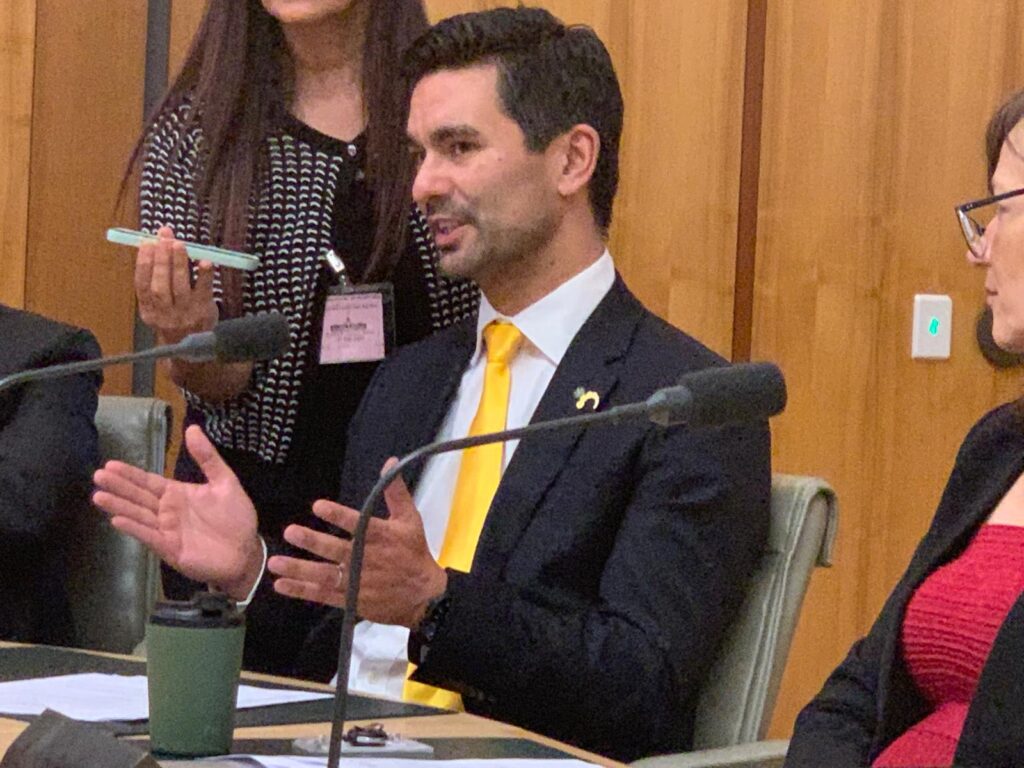
Mr. Gabriel Ng MP
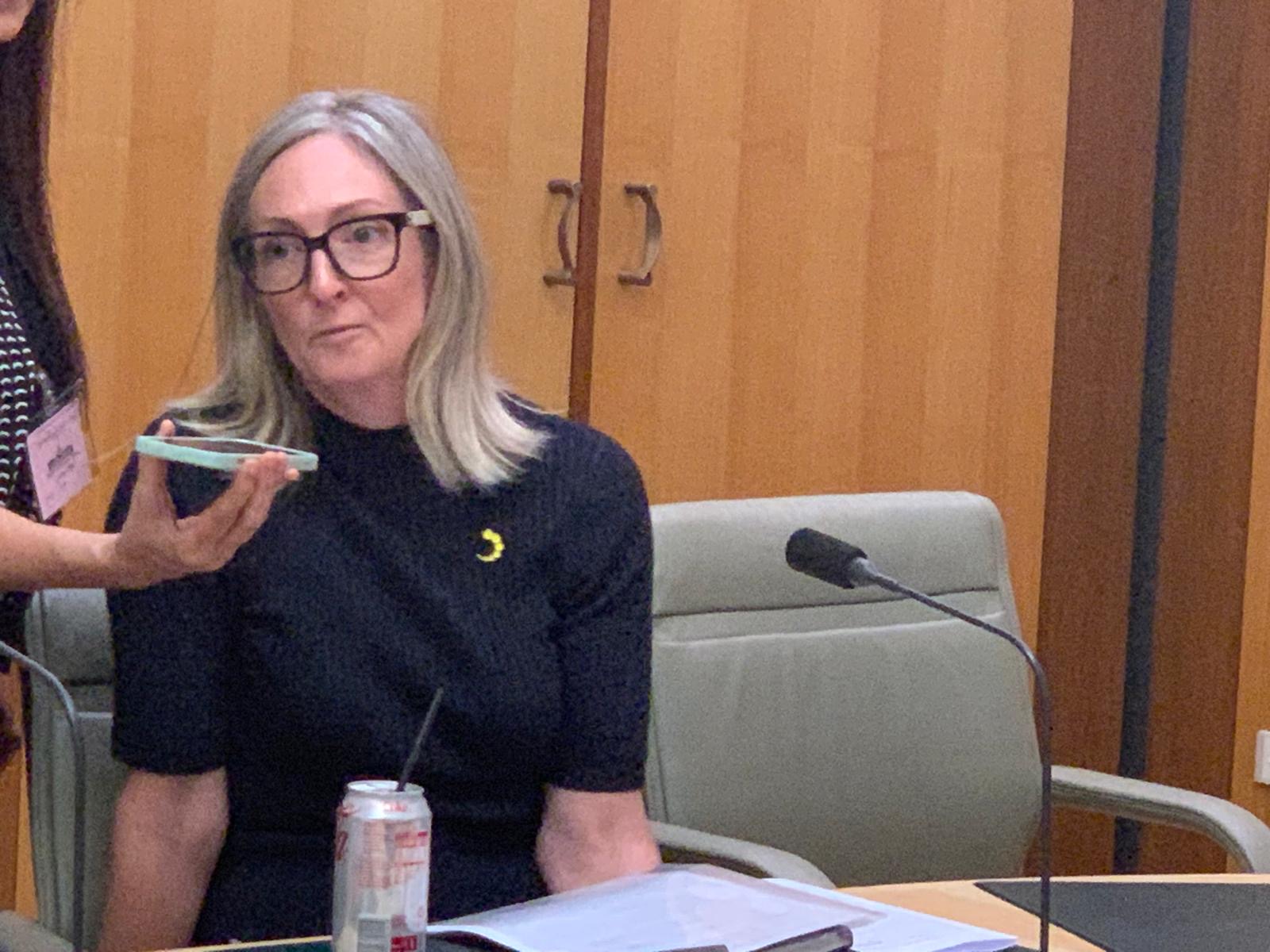
Senator Lisa Darmanin
The briefing concluded with remarks from Rob Mitchell, who reaffirmed Australia’s united stance in support of a free Iran. He emphasised continued support for Iranian communities, particularly those affected by communication restrictions and censorship. He also pointed to concrete measures—such as designating the Revolutionary Guard as a terrorist organization and expelling Iranian diplomats—as evidence of Australia’s commitment.
The event highlighted a growing call within Australia for stronger international engagement on Iran and continued support for the Iranian people’s pursuit of freedom and democracy.
Recent Comments